

Most people assume tree work is something you do in spring, summer, or fall. But after years in the field, I can honestly say this:
Winter is one of our favorite — and often one of the smartest — times of year to do tree work.
Sure, winter comes with challenges for us. Cold hands. Wet gloves. Machines that don’t always want to start. But when it comes to results, site conditions, and long-term benefits for property owners and developers, winter has some serious advantages that most people don’t realize.
Whether you’re a homeowner managing your property or a developer planning a build, here’s why we often recommend winter tree work.
1. Frozen Ground Means Far Less Property Damage
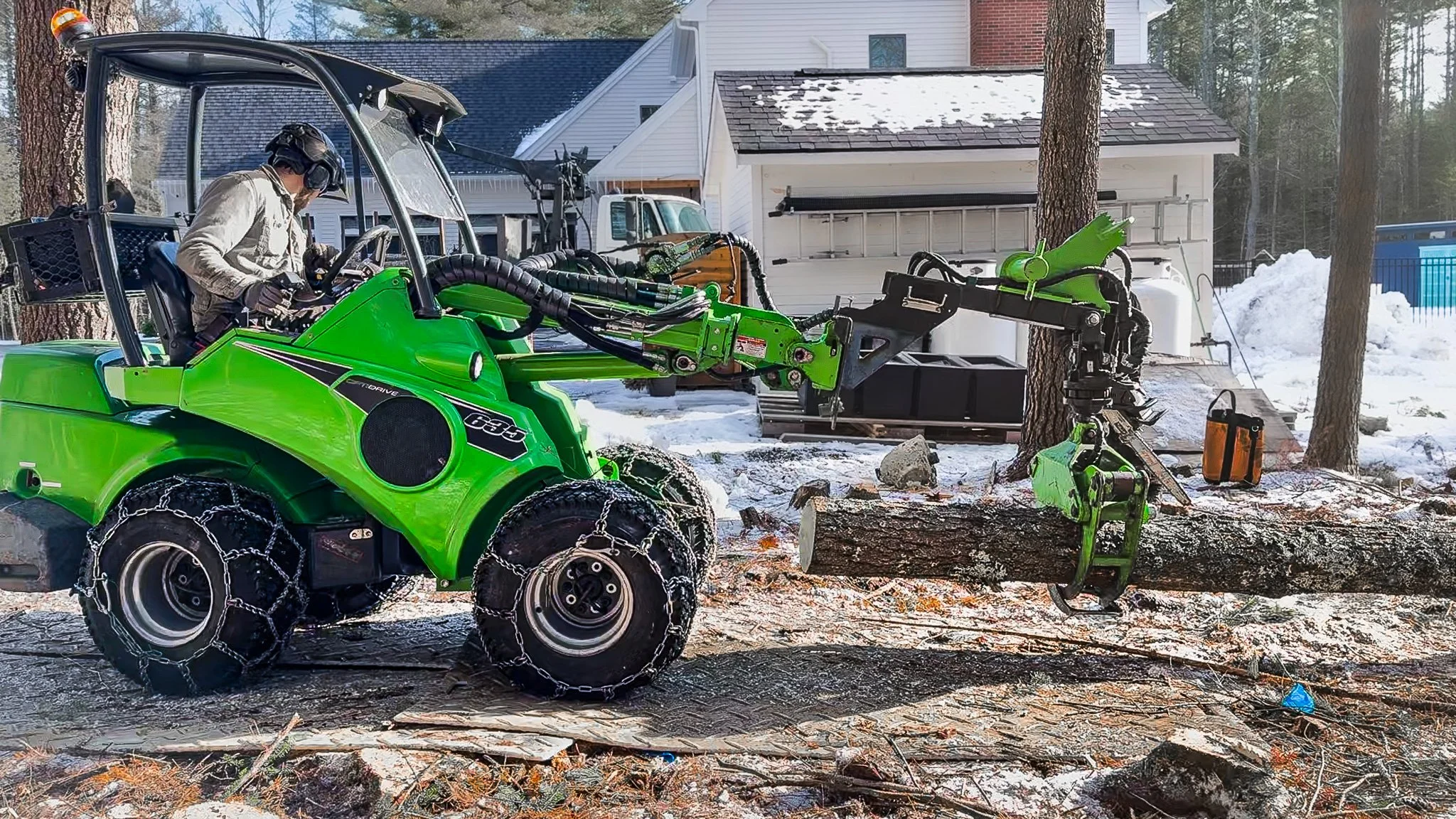
One of the biggest advantages of winter tree work is what’s happening under our feet.
When the ground is frozen, it acts almost like concrete. That changes everything.
In warmer months, removing large trees can leave:
Deep ruts
Torn-up lawns
Compacted soil
Large divots where trunks or limbs hit the ground
In winter, trees can come down with little to no impact. We’ve dropped extremely large trees on frozen ground where, once the snow melted, you could hardly even tell we were there.
For homeowners, this means:
Cleaner jobs
Faster cleanup
Less repair work afterward
For developers, this means:
Better site preservation
Less need for regrading
Easier transitions into the next phase of construction
Frozen ground protects the property.

2. Winter Keeps Projects Moving Forward
From a development standpoint, winter tree work is a huge strategic advantage.
We love winter jobs on building lots and development sites because they prevent seasonal bottlenecks. Instead of waiting until late spring or early summer — when mud season limits access — trees can be removed before thaw.
That allows builders to:
Start hydro-seeding sooner
Move equipment in earlier
Begin foundations and landscaping without delays
Avoid pushing projects back months due to soft ground
I’ve seen projects stall simply because tree work couldn’t happen once the ground turned to mud. Winter avoids that problem entirely.
If you’re clearing a lot, prepping a homesite, or opening access roads, winter often gives you a clean runway into spring.
3. Better Access to Sensitive or High-Impact Areas
Some properties simply can’t handle heavy equipment during warm seasons. Lawns, waterfront lots, new builds, and soft soils are especially vulnerable.
Frozen ground gives us access to areas that would otherwise be off-limits.
This allows us to:
Work in newly developed neighborhoods
Access wooded lots without destroying root systems
Remove hazard trees near structures
Perform removals in tight or sensitive zones
From both an environmental and financial standpoint, winter access can significantly reduce restoration costs.
4. Winter Is Often Healthier for Trees Being Pruned
Winter is dormancy season. Trees are not actively growing, and their energy is stored in their root systems rather than in their leaves and outer tissues.
That matters.
Pruning in winter can:
Reduce exposure to fungi and insects
Lower the risk of disease transmission
Improve the tree’s ability to seal wounds in spring
Allow for more aggressive corrective pruning when needed
Because you’re not removing active foliage and chlorophyll, winter pruning typically places less stress on the tree than heavy summer cuts.
This is especially important for:
Fruit trees
Heritage or ornamental trees
Agricultural and field-edge trees
Trees being structurally corrected
Winter pruning helps set the tree up for a stronger growing season.
5. You Get the Benefits All Year Long
Another overlooked advantage is timing of results.
When tree work is done in winter, you immediately roll into spring with:
Increased sunlight
Improved access
Reduced hazards
Cleaner lines and views
Healthier growth patterns
If trees are removed or pruned in late summer or fall, much of that benefit is lost to winter downtime. But when work is done in winter, you experience the full payoff through the entire growing season.
From safety to aesthetics to land usability, winter tree work maximizes return on effort.
⬇️ The Bottom Line ⬇️
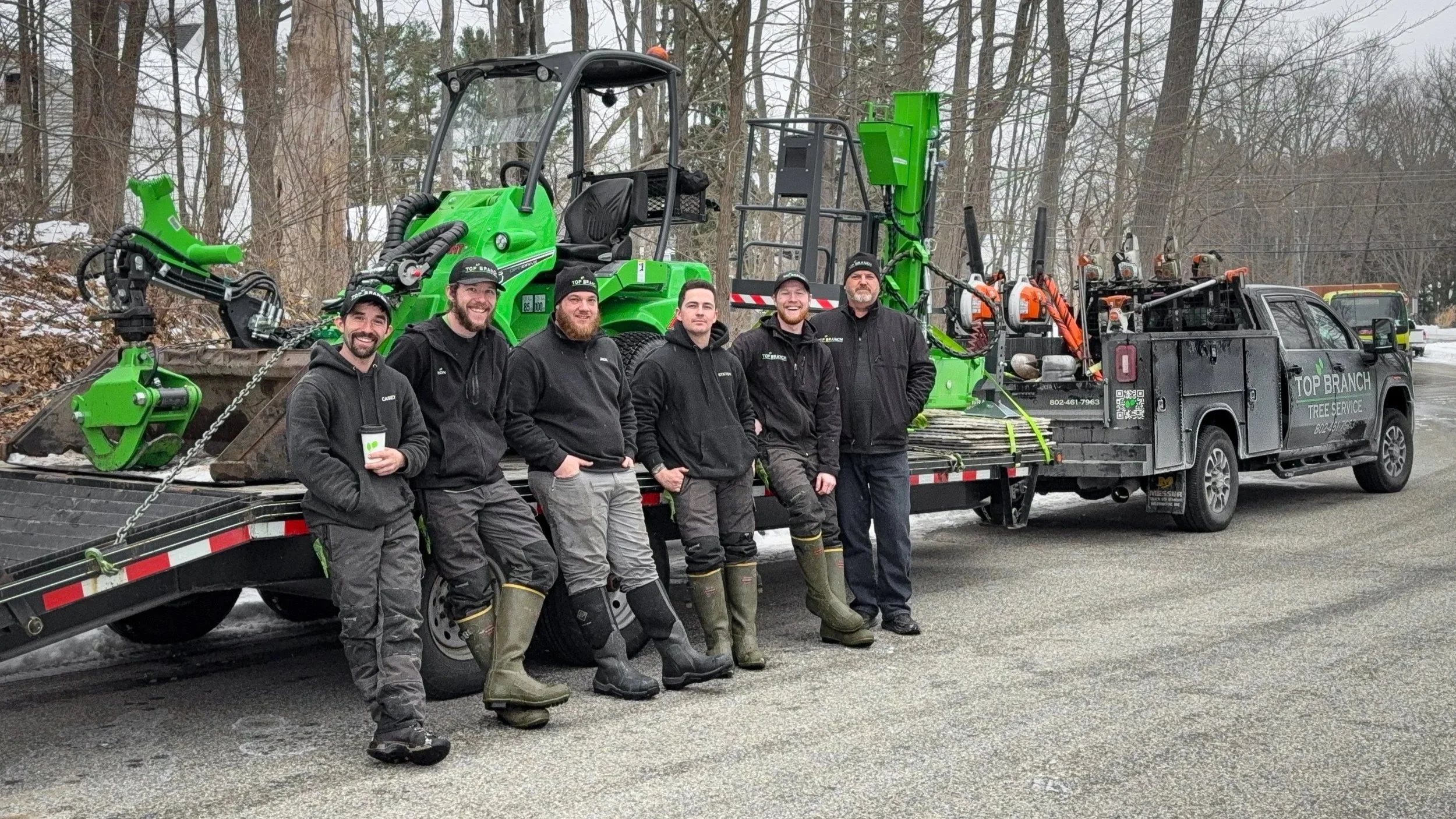
Winter may not be the most comfortable season for tree crews — but it is often one of the most effective seasons for property owners.
From reduced lawn damage…
to healthier pruning conditions…
to keeping construction timelines on track…
There are a lot more positives to winter tree work than most people realize.
Thanks for reading!
🎥 Watch the full video on our YouTube channel
If you want to hear this explained directly from the field and see winter work in action, check out our latest YouTube video where we break all of this down
➡️ https://youtu.be/SeOSyZOvU4Q
👉 If you live, work, or build in Maine — Reach Out
Sources & Supporting Research
The advantages of winter tree work are well-supported in arboriculture and forestry research:
• International Society of Arboriculture – Best Management Practices: Tree Pruning
https://www.isa-arbor.com
• USDA Forest Service – How Trees Heal and Compartmentalize Wounds
https://www.fs.usda.gov
• University of Minnesota Extension – Pruning Trees and Shrubs
https://extension.umn.edu
• Penn State Extension – The Importance of Soil Compaction and Seasonal Access
https://extension.psu.edu
• Cornell Cooperative Extension – Winter Tree Care and Pruning Benefits
https://ccenassau.org
These organizations consistently note the benefits of dormant-season pruning, reduced disease transmission, and improved site access on frozen soils.